














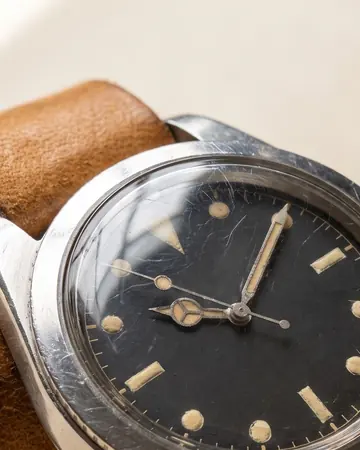






4 pieces
The journal
Long-form writing about the parts of buying at auction that nobody explains until you have already been caught by them.
- How to read a condition report without being lied to
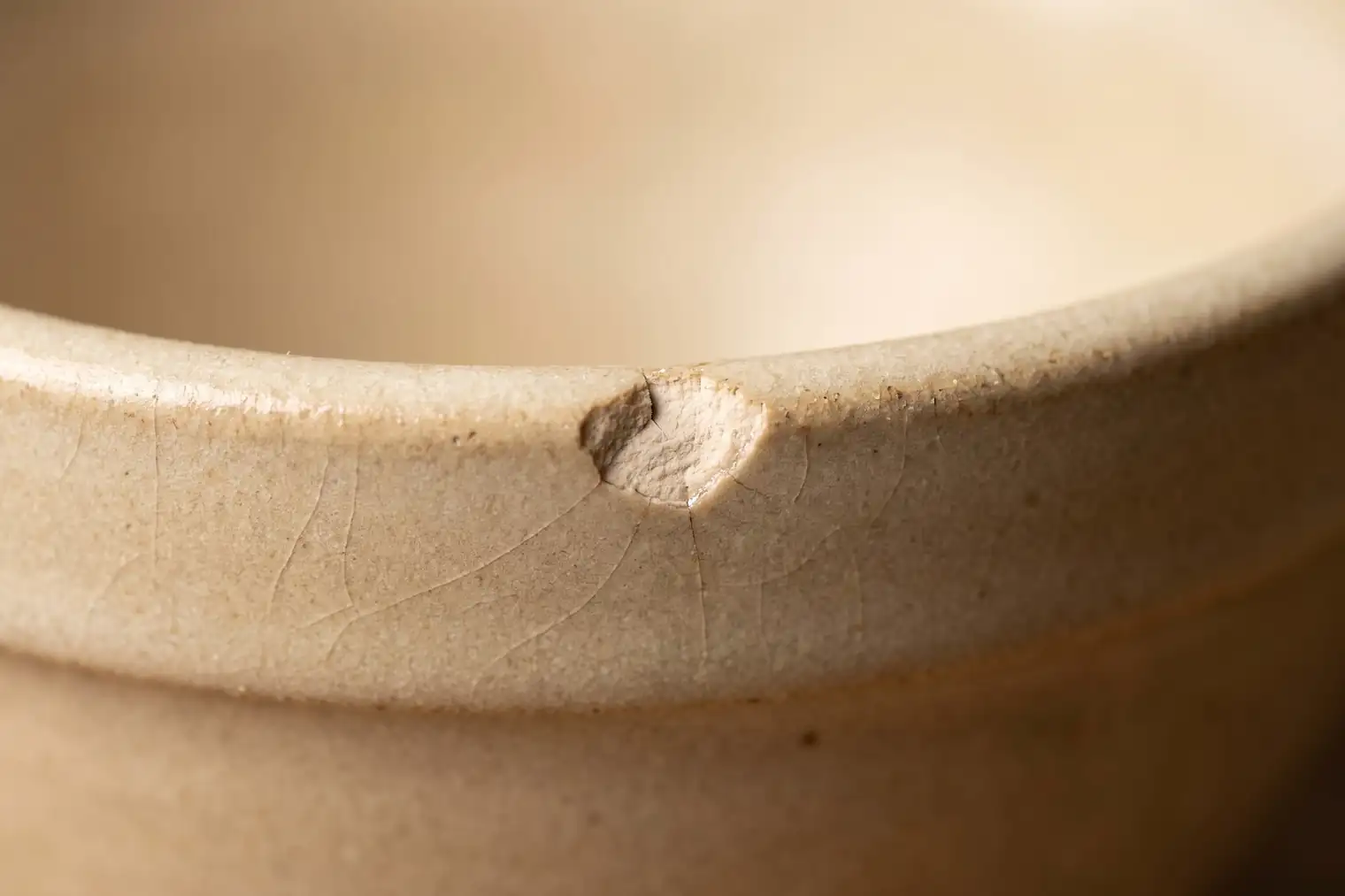
Buying 7 min read
How to read a condition report without being lied to
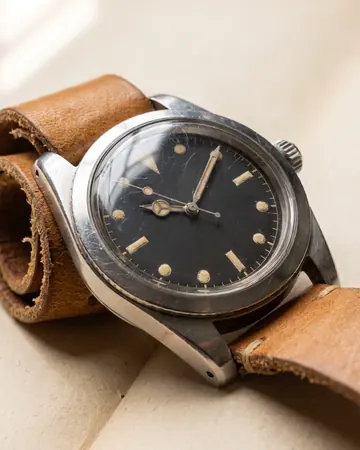
Crazing, restoration, refinish, service history, original dial — the six words that decide what an object is actually worth, and what each of them is hiding when it is used loosely.
Read - Why our lots refuse to close on time

Bidding 5 min read
Why our lots refuse to close on time
Anti-sniping, explained in plain words: what a soft close does, why we set ours at three minutes, and why a lot that keeps extending is working correctly rather than failing.
Read - Packing a chipped pot so it does not become a broken pot

Shipping 6 min read
Packing a chipped pot so it does not become a broken pot
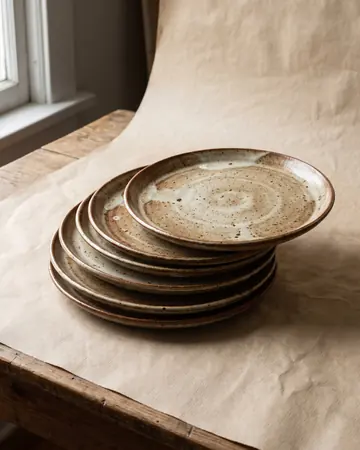
Everything we have learned about getting fragile objects across the country intact, including the two mistakes that account for most of the breakages we have seen.
Read - What "no reserve" really costs the seller

Selling 5 min read
What "no reserve" really costs the seller
Most of our lots carry no reserve. Here is the honest arithmetic behind that, from both sides of the transaction.
Read